Certainly! Here’s a brief overview and explanation of blockchain technology in English:

---

### Understanding Blockchain Technology

What is Blockchain?
Blockchain is a decentralized digital ledger that records transactions across many computers in such a way that the registered transactions cannot be altered retroactively. This technology underpins cryptocurrencies like Bitcoin, but its applications extend far beyond digital currencies.

How Does Blockchain Work?
At its core, blockchain is made up of blocks containing transaction data, which are linked together in a chronological chain. Each block has a unique cryptographic hash of the previous block, ensuring the integrity and security of the entire chain. This structure makes it virtually impossible to alter any information without the consensus of the network.

Key Features of Blockchain
ul
  listrongDecentralization:/strong Unlike traditional databases controlled by a central authority, blockchain is decentralized, meaning no single entity has control over the entire network./li
  listrongTransparency:/strong Every participant in the network can view the entire chain of transactions, providing a high degree of transparency./li
  listrongSecurity:/strong The use of cryptographic techniques ensures that transactions are secure and that the data is tamper-proof./li
  listrongImmutability:/strong Once a transaction is recorded on the blockchain, it cannot be altered or deleted, creating a permanent history of events./li
/ul

Applications of Blockchain Technology
Blockchain technology is revolutionizing various industries beyond finance, including supply chain management, healthcare, and voting systems. In supply chain management, for example, it enhances traceability and accountability by allowing all parties to access the same information regarding the movement of goods.

Challenges and Limitations
Despite its myriad advantages, blockchain technology still faces challenges. Issues such as scalability, energy consumption, and regulatory hurdles must be addressed for widespread adoption. As networks grow, the speed of transactions can slow down, and the energy required for mining cryptocurrencies has raised environmental concerns.

The Future of Blockchain
The future of blockchain technology is promising. As innovations continue to evolve, we may see increased adoption across different sectors, leading to more efficient processes and enhanced security measures. With ongoing developments in interoperability and privacy solutions, the potential uses of blockchain are virtually limitless.

---

This overview provides a fundamental understanding of blockchain technology, its features, applications, challenges, and future potential. If you'd like a more detailed explanation or specific aspects covered, feel free to ask!Certainly! Here’s a brief overview and explanation of blockchain technology in English:

---

### Understanding Blockchain Technology

What is Blockchain?
Blockchain is a decentralized digital ledger that records transactions across many computers in such a way that the registered transactions cannot be altered retroactively. This technology underpins cryptocurrencies like Bitcoin, but its applications extend far beyond digital currencies.

How Does Blockchain Work?
At its core, blockchain is made up of blocks containing transaction data, which are linked together in a chronological chain. Each block has a unique cryptographic hash of the previous block, ensuring the integrity and security of the entire chain. This structure makes it virtually impossible to alter any information without the consensus of the network.

Key Features of Blockchain
ul
  listrongDecentralization:/strong Unlike traditional databases controlled by a central authority, blockchain is decentralized, meaning no single entity has control over the entire network./li
  listrongTransparency:/strong Every participant in the network can view the entire chain of transactions, providing a high degree of transparency./li
  listrongSecurity:/strong The use of cryptographic techniques ensures that transactions are secure and that the data is tamper-proof./li
  listrongImmutability:/strong Once a transaction is recorded on the blockchain, it cannot be altered or deleted, creating a permanent history of events./li
/ul

Applications of Blockchain Technology
Blockchain technology is revolutionizing various industries beyond finance, including supply chain management, healthcare, and voting systems. In supply chain management, for example, it enhances traceability and accountability by allowing all parties to access the same information regarding the movement of goods.

Challenges and Limitations
Despite its myriad advantages, blockchain technology still faces challenges. Issues such as scalability, energy consumption, and regulatory hurdles must be addressed for widespread adoption. As networks grow, the speed of transactions can slow down, and the energy required for mining cryptocurrencies has raised environmental concerns.

The Future of Blockchain
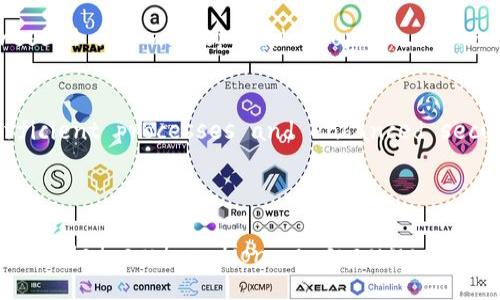
The future of blockchain technology is promising. As innovations continue to evolve, we may see increased adoption across different sectors, leading to more efficient processes and enhanced security measures. With ongoing developments in interoperability and privacy solutions, the potential uses of blockchain are virtually limitless.

---

This overview provides a fundamental understanding of blockchain technology, its features, applications, challenges, and future potential. If you'd like a more detailed explanation or specific aspects covered, feel free to ask!